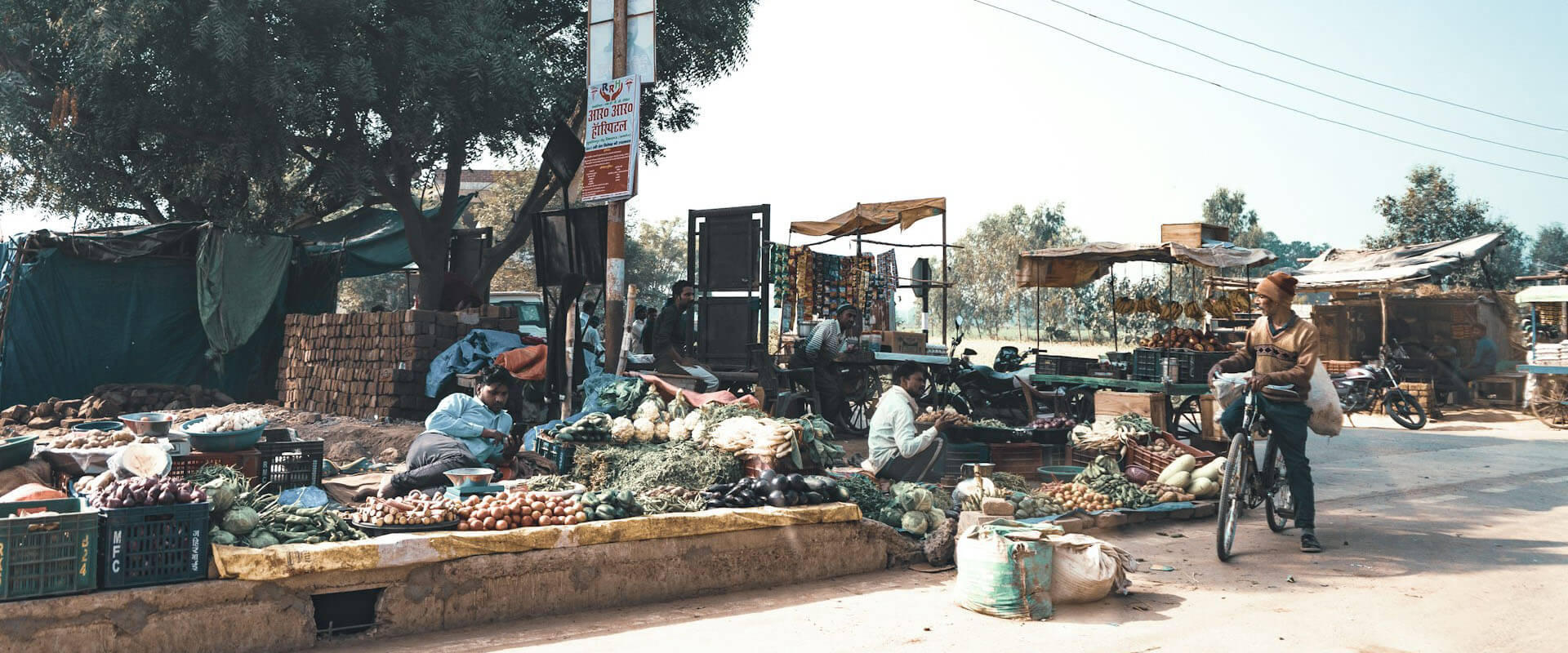

- Current events for informed citizens with breaking news and local updates
- The Rise of Digital News Consumption
- Challenges of Online Verification
- The Role of Local News
- Community Engagement and Citizen Journalism
- Investigative Journalism and Accountability
- Protecting Journalists and Freedom of the Press
- The Future of News: Innovation and Sustainability
- Beyond Headlines: Cultivating Informed Citizenship
Current events for informed citizens with breaking news and local updates
In today's rapidly evolving world, staying informed is more critical than ever. The constant flow of information, often dubbed news, shapes our understanding of events, influences our decisions, and connects us to a global community. Access to reliable, up-to-date reporting isn't merely a convenience; it's a cornerstone of responsible citizenship. From local happenings to international affairs, a well-informed populace is essential for a functioning democracy and a thriving society. The challenge, however, lies in navigating the sheer volume of information and discerning credible sources from those that spread misinformation.
The landscape of how we consume information has dramatically shifted in recent decades. Traditional media outlets, such as newspapers and television broadcasts, are now complemented – and in some cases, challenged – by digital platforms, social media, and citizen journalism. This democratization of information has its benefits, allowing for diverse perspectives and wider coverage. However, it also presents new complexities related to verification, bias, and the spread of what is commonly known as “fake news�. Understanding these dynamics is paramount to becoming a discerning consumer of current events.
The Rise of Digital News Consumption
The internet has fundamentally altered the way people access current events. Once reliant on scheduled broadcasts or daily newspaper deliveries, individuals can now receive updates in real-time, 24/7. Smartphone technology has further propelled this trend, placing information at our fingertips wherever we are. This immediacy has both advantages and disadvantages. The speed of digital dissemination allows for rapid response to breaking stories, but it also increases the potential for errors and the spread of unverified information. Social media platforms have become significant players in the distribution of information, often serving as the first point of contact for many with breaking incidents. However, algorithms and echo chambers can curate personalized feeds that limit exposure to diverse viewpoints.
Challenges of Online Verification
One of the most significant hurdles in the digital age is verifying the authenticity of information. The ease with which content can be created and shared online makes it difficult to distinguish between credible reporting and deliberate disinformation. “Deepfakes,� manipulated videos or audio recordings, pose a growing threat, as they can convincingly portray events that never occurred. Critical thinking skills, media literacy, and a healthy skepticism are essential tools for navigating this complex landscape. Fact-checking organizations play a vital role in debunking false claims, but their work often struggles to keep pace with the sheer volume of misinformation circulating online. Furthermore, emotional responses to content can often override rational analysis, making individuals more susceptible to believing and sharing inaccurate material.
| Source Type | Reliability Level | Typical Bias | Verification Methods |
|---|---|---|---|
| Established News Organizations (e.g., Associated Press, Reuters) | High | Generally Moderate | Multiple sources, fact-checking, editorial oversight |
| Reputable National Newspapers (e.g., The New York Times, The Wall Street Journal) | High to Moderate | Varies depending on the publication | In-depth reporting, expert analysis, corrections policies |
| Independent Fact-Checking Websites (e.g., Snopes, PolitiFact) | High | Non-partisan | Thorough investigation, source documentation, transparent methodology |
| Social Media Platforms (e.g., Facebook, Twitter) | Low to Moderate | Highly variable, algorithmic bias | Cross-referencing with reliable sources, reverse image search |
The rise of paywalls and subscription models also presents a challenge to accessing quality journalism. While these models are intended to support independent reporting, they can create a barrier for individuals who cannot afford to pay. This can exacerbate existing inequalities in access to information and potentially lead to a more divided society.
The Role of Local News
While national and international news often dominate the headlines, local reporting plays a crucial role in informing citizens about issues that directly affect their communities. Local news covers school board meetings, city council decisions, crime rates, and other events that shape the quality of life in a particular area. A strong local news ecosystem is essential for holding local officials accountable and fostering civic engagement. Unfortunately, local news organizations have faced significant financial challenges in recent years, leading to closures and staff reductions. This “news desert� phenomenon leaves communities vulnerable to misinformation and a lack of transparency.
Community Engagement and Citizen Journalism
The decline of traditional local news has spurred a rise in community engagement and citizen journalism initiatives. Residents are increasingly taking it upon themselves to report on local events and share information through social media, community blogs, and hyperlocal news websites. While these efforts can fill some of the gaps left by shrinking newsrooms, they often lack the resources and expertise of professional journalists. It is important to be aware of the potential biases and limitations of citizen journalism and to critically evaluate the information it provides. Supporting local journalism, whether through subscriptions, donations, or active participation, is a vital investment in the health of a community.
- Attend local government meetings and report on the proceedings.
- Contribute to community blogs or hyperlocal news websites.
- Share information about local events and issues on social media.
- Support local news organizations through subscriptions or donations.
- Engage in constructive dialogue with local officials and community leaders.
The symbiotic relationship between citizen journalists and established news outlets can also be beneficial. Traditional media can leverage the insights and connections of citizen reporters, while providing them with training and resources to improve their reporting skills. This collaborative approach can strengthen local news ecosystems and enhance civic engagement.
Investigative Journalism and Accountability
Investigative journalism serves as a vital check on power, uncovering corruption, exposing wrongdoing, and holding institutions accountable. These in-depth investigations often require significant time, resources, and courage. Investigative reporters frequently face threats, intimidation, and legal challenges. Despite these obstacles, their work is essential for maintaining a transparent and democratic society. Landmark investigations have led to significant reforms and policy changes, protecting the public interest and promoting justice. The erosion of funding for investigative journalism poses a serious threat to this crucial function.
Protecting Journalists and Freedom of the Press
The safety and security of journalists are paramount to a free and independent press. In many parts of the world, journalists face harassment, violence, and imprisonment for simply doing their jobs. Protecting journalists requires strong legal protections, international advocacy, and a commitment to defending freedom of expression. The rise of digital surveillance and censorship poses new challenges to journalistic freedom. Governments and corporations are increasingly using technology to monitor and control the flow of information, suppressing dissent and limiting access to independent reporting. Resisting these trends is essential for preserving a vibrant and democratic media landscape.
- Support organizations that defend press freedom (e.g., Committee to Protect Journalists, Reporters Without Borders).
- Advocate for laws that protect journalists from harassment and violence.
- Raise awareness about the dangers faced by journalists around the world.
- Hold governments accountable for violations of press freedom.
- Promote media literacy and critical thinking skills.
The ability to report freely and without fear of retribution is fundamental to a functioning democracy, and directly linked to people's understanding of current events and news.
The Future of News: Innovation and Sustainability
The news industry is undergoing a period of rapid transformation, driven by technological innovation and changing consumer habits. New business models are emerging, including subscription services, membership programs, and philanthropic funding. Podcasts, newsletters, and visual storytelling are gaining popularity as alternative formats for delivering information. Artificial intelligence (AI) is also playing an increasingly important role, assisting with tasks such as fact-checking, content curation, and personalized news recommendations. However, the use of AI also raises ethical concerns, such as the potential for algorithmic bias and the displacement of human journalists.
The challenge for the future of news is to find sustainable models that support high-quality journalism while meeting the evolving needs of audiences. This requires a combination of innovation, collaboration, and a renewed commitment to the public interest. Exploring avenues like blockchain technology to combat misinformation and creating decentralized news platforms are also potential options. Ultimately, the future of news depends on the willingness of individuals and organizations to invest in its preservation.
Beyond Headlines: Cultivating Informed Citizenship
The consumption of current events shouldn't end with simply reading or watching the headlines. True informed citizenship requires a deeper engagement with issues, a commitment to critical thinking, and a willingness to seek out diverse perspectives. This involves actively seeking out primary sources, verifying information from multiple sources, and challenging one’s own biases. It also entails engaging in constructive dialogue with others, even those with whom one disagrees. The ability to understand complex issues, evaluate evidence, and form reasoned opinions is essential for navigating the challenges of the 21st century. Encouraging civic education in schools and promoting media literacy programs are crucial steps in fostering an informed and engaged citizenry.
Furthermore, understanding the historical context of current events is vital. Examining past patterns and precedents can provide valuable insights into present-day challenges and inform potential solutions. Investigating the financial interests and political agendas that may be shaping the narrative surrounding a particular issue is also essential. This requires a commitment to independent research and a healthy skepticism towards all sources of information. Actively participating in the democratic process, whether through voting, contacting elected officials, or engaging in peaceful protests, is another key aspect of informed citizenship. Ultimately, the goal is not simply to be aware of what is happening, but to be an active participant in shaping the future.